
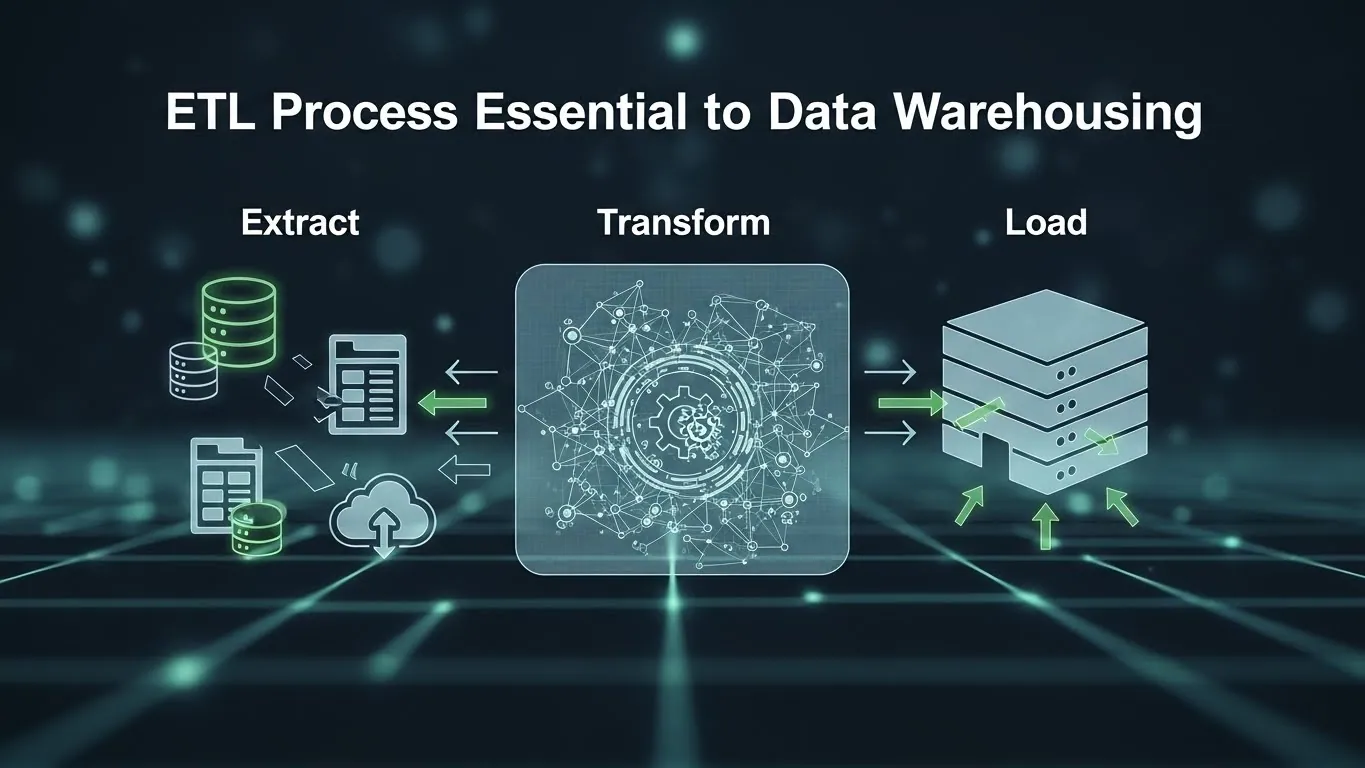
Modern organizations rely on data warehouses to centralize information, support analytics, and guide strategic decisions. However, the value of a data warehouse depends entirely on the quality and reliability of the data flowing into it. This is why an effective ETL Process is not optional but essential.
When ETL processes fail or underperform, data warehouses become unreliable, fragmented, and difficult to trust. A strong ETL foundation ensures data warehousing delivers accurate insights and long-term value.
Understanding ETL Processes and Data Warehousing in Modern Systems
ETL processes are responsible for extracting data from multiple sources, transforming it into consistent formats, and loading it into a data warehouse. Data warehousing, in turn, provides a centralized environment for reporting, analytics, and business intelligence. These two components are inseparable in modern data architecture.
As organizations adopt cloud platforms and real-time analytics, data complexity increases rapidly. Poorly designed ETL processes struggle to keep up with data volume, velocity, and variety.
An effective ETL process ensures data warehousing systems remain accurate, scalable, and aligned with business needs over time.
How ETL Processes Directly Impact Data Warehousing Quality
ETL processes determine how clean, consistent, and usable warehouse data becomes. Errors introduced during extraction or transformation are amplified once data reaches reporting layers. This makes ETL quality a critical success factor.
Effective ETL processes support data warehousing by:
- Ensuring consistent data formats and definitions
- Removing duplicates and correcting inconsistencies
- Validating data before it enters the warehouse
- Maintaining historical accuracy and integrity
Without reliable ETL processes, even advanced data warehousing platforms fail to deliver trustworthy insights.
Key Reasons an Effective ETL Process Is Essential
An effective ETL process supports every layer of data warehousing. It protects data integrity, improves performance, and enables scalable analytics. Understanding these reasons helps organizations prioritize ETL investment.
Data Accuracy and Consistency
Accurate analytics depend on consistent data. ETL processes standardize formats, units, and definitions before loading data. This prevents conflicting reports and ensures consistent insights across departments.
Scalability and Performance
As data volumes grow, inefficient ETL processes slow down data warehousing performance. Optimized ETL pipelines scale with business growth. This ensures faster query performance and reduced processing delays.
Reliable Historical Analysis
Data warehouses store historical data for trend analysis. ETL processes manage slowly changing dimensions and versioning. This preserves data accuracy over time and supports long-term analytics.
Governance and Compliance
Regulatory requirements demand traceable and auditable data. ETL processes enforce validation and lineage tracking. This strengthens governance and reduces compliance risk.
How Effective ETL Processes Improve Business Decision-Making
Business decisions are only as good as the data supporting them. Effective ETL processes ensure data warehousing systems provide timely, accurate, and relevant information. This directly improves confidence in analytics and reporting.
Clean ETL pipelines reduce reporting delays and eliminate manual corrections. Decision-makers receive consistent dashboards and metrics they can trust.
Organizations working with platforms like DataMaticsLab use optimized ETL processes to align analytics with operational and strategic goals.
Common Challenges When ETL Processes Are Ineffective
Ineffective ETL processes introduce risks that grow over time. Data errors compound, performance degrades, and trust in analytics declines. Recognizing these challenges highlights the importance of ETL optimization.
Common ETL challenges include:
- Data duplication and inconsistent records
- Slow data loading and processing delays
- Transformation logic breaking with schema changes
- Increased maintenance and operational costs
Addressing these issues early protects data warehousing investments and prevents long-term technical debt.
Frequently Asked Questions About ETL Processes and Data Warehousing
Why Is ETL Important for Data Warehousing?
ETL is important because it ensures data is clean, consistent, and properly structured before entering the data warehouse.
What Happens If ETL Processes Fail?
When ETL fails, data warehouses contain inaccurate or incomplete data, leading to unreliable analytics and poor decision-making.
Can Data Warehousing Work Without ETL?
No. Data warehousing relies on ETL processes to integrate and standardize data from multiple sources.
How Do ETL Processes Improve Data Quality?
ETL processes validate, clean, and transform data, removing errors and inconsistencies before loading it into the warehouse.
Are ETL Processes Still Relevant in Modern Data Systems?
Even with real-time and cloud analytics, ETL processes remain essential for structured, reliable data warehousing.