
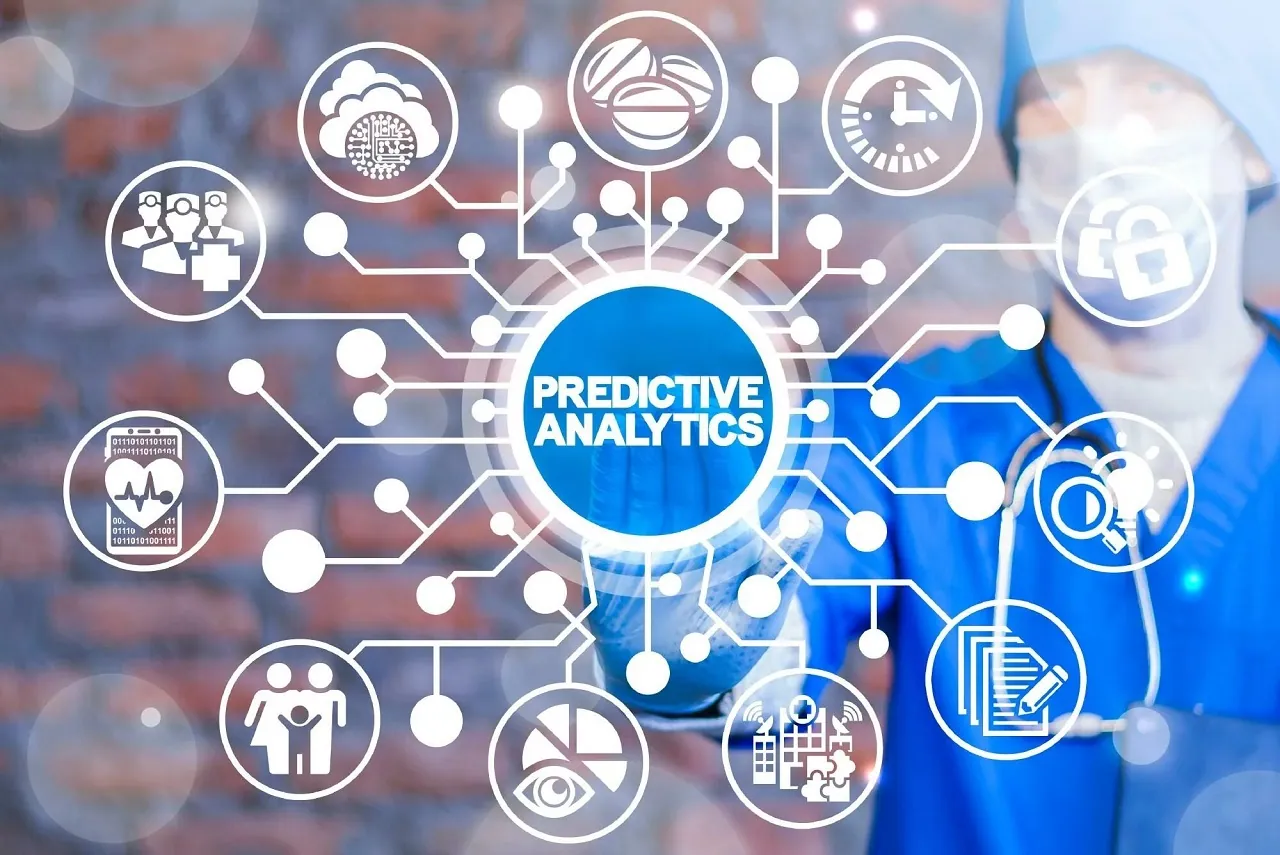
Businesses today are surrounded by data, yet many still rely on hindsight rather than foresight when making decisions. This is where Predictive Analytics changes the equation. Instead of reacting to past performance, organizations can anticipate outcomes, reduce uncertainty, and act with greater confidence. The real value lies not in prediction alone, but in how those predictions shape strategy.
Across industries, predictive models are quietly influencing pricing, operations, customer engagement, and risk management. Companies that use predictive insights effectively gain an edge that competitors struggle to replicate.
Understanding Predictive Analytics in a Business Context
Predictive analytics uses historical data, statistical algorithms, and machine learning techniques to estimate future outcomes. In business, this translates into forecasting demand, identifying risks, and uncovering hidden patterns in behavior.
Unlike traditional reporting, Predictive Analytics focuses on probabilities rather than certainties. It helps leaders prepare for what is likely to happen, not just what already has.
Why Businesses Are Moving Beyond Descriptive Analytics
Descriptive analytics explains what happened. Diagnostic analytics explains why it happened. Predictive analytics answers what is likely to happen next.
As markets become more competitive and volatile, relying only on past performance is no longer sufficient. Forward looking insight enables faster and more informed decisions.
Predictive Analytics Versus Guesswork
Many organizations rely on experience or intuition when planning. While experience matters, it does not scale well across complex systems.
Predictive models provide consistency. They reduce bias by grounding decisions in data rather than assumptions.
Using Predictive Analytics for Strategic Decision Making
Strategic planning benefits significantly from predictive insights. Long term decisions around expansion, investment, and resource allocation depend on understanding future scenarios.
With Predictive Analytics, leaders can test assumptions and explore multiple outcomes before committing resources.
Forecasting Market Trends
Predictive models analyze historical market data to identify trends and cycles. These insights help businesses anticipate changes in demand or consumer behavior.
Accurate forecasting supports better budgeting and long-term planning.
Scenario Planning and Risk Reduction
Predictive analytics allows businesses to simulate different scenarios. Leaders can evaluate the impact of price changes, supply disruptions, or market shifts.
This approach reduces uncertainty and supports more resilient strategies.
Improving Customer Experience with Predictive Analytics
Customer behavior is one of the richest sources of predictive insight. Every interaction leaves a data trail that reveals preferences, intent, and risk of churn.
Predictive Analytics helps businesses personalize experiences and strengthen customer relationships.
Predicting Customer Churn
By analyzing behavioral patterns, predictive models identify customers who are likely to disengage. Early identification enables timely intervention.
Retention strategies become proactive rather than reactive.
Personalized Marketing and Offers
Predictive analytics supports targeted marketing by estimating which offers are most likely to resonate with each customer.
This reduces wasted spend and improves conversion rates.
Enhancing Sales and Revenue Performance
Sales teams benefit greatly from predictive insights. Instead of relying on static pipelines, they can priorities opportunities with the highest probability of success.
In revenue operations, Predictive Analytics improves accuracy and efficiency.
Sales Forecasting and Pipeline Management
Predictive models estimate future sales based on historical performance, seasonality, and pipeline health.
More accurate forecasts improve inventory planning and staffing decisions.
Lead Scoring and Opportunity Prioritizations
Predictive lead scoring ranks prospects based on likelihood to convert. Sales teams focus effort where it matters most.
This increases productivity and shortens sales cycles.
Optimizing Operations and Supply Chain Management
Operational efficiency is another area where predictive analytics delivers measurable value. From inventory management to logistics, predictions reduce waste and delays.
Businesses working with DataMaticsLab often apply predictive models to align operations with demand patterns.
Demand Forecasting and Inventory Optimization
Predictive analytics estimates future demand, helping businesses avoid overstocking or stockouts.
Optimized inventory reduces carrying costs and improves service levels.
Predictive Maintenance
In manufacturing and logistics, predictive models anticipate equipment failures before they occur.
Preventive maintenance reduces downtime and extends asset lifespan.
Financial Planning and Risk Management
Finance teams use predictive analytics to manage risk, detect fraud, and improve financial forecasting.
In financial operations, Predictive Analytics supports more stable and informed decision making.
Cash Flow and Budget Forecasting
Predictive models estimate future cash flows based on historical trends and business drivers.
Better forecasts improve liquidity management and investment planning.
Fraud Detection and Risk Assessment
Predictive analytics identifies unusual patterns that may indicate fraud or compliance risk.
Early detection protects revenue and reputation.
Human Resources and Workforce Planning
People’s decisions benefit from predictive insight just as much as financial ones. Workforce analytics helps organizations attract, retain, and develop talent.
Predictive models reveal patterns in employee behavior that are not visible through traditional reporting.
Employee Retention and Attrition Prediction
Predictive analytics identifies employees at risk of leaving based on engagement, performance, and tenure patterns.
Targeted retention strategies reduce turnover costs.
Workforce Planning and Skill Forecasting
Predictive insights help anticipate future skill needs and workforce gaps.
This supports proactive hiring and training strategies.
Challenges in Using Predictive Analytics in Business
Despite its benefits, predictive analytics presents challenges. Poor implementation can lead to inaccurate predictions or misinformed decisions.
Understanding these risks is essential when adopting Predictive Analytics.
Data Quality and Integration
Predictive models depend on clean, consistent data. Disconnected systems and poor data governance reduce accuracy.
Businesses must invest in data management before expecting reliable predictions.
Interpreting Predictions Correctly
Predictions express probabilities, not guarantees. Misinterpreting outputs can lead to overconfidence or poor decisions.
Human judgement remains critical alongside analytics.
Best Practices for Applying Predictive Analytics Successfully
Successful adoption requires more than tools. It requires alignment between data teams, business leaders, and operational teams.
Organizations that succeed with predictive analytics follow disciplined practices.
Start With Business Questions
Predictive analytics should address clear business problems. Models built without purpose rarely deliver value.
Define success metrics before building models.
Validate and Continuously Improve Models
Predictions should be tested against actual outcomes. Continuous monitoring ensures models remain accurate as conditions change.
Iteration is key to long term success.
Frequently Asked Questions About Predictive Analytics in Business
What Are Predictive Analytics Used for In Business?
It is used to forecast outcomes, reduce risk, and support data driven decision making.
Which Industries Benefit Most from Predictive Analytics?
Retail, finance, healthcare, manufacturing, and technology sectors benefit significantly.
Does Predictive Analytics Require Machine Learning?
Not always. Some predictive models use statistical methods without machine learning.
How Accurate Are Predictive Analytics Models?
Accuracy depends on data quality, model design, and how stable underlying patterns are.
Can Small Businesses Use Predictive Analytics?
Yes, scalable tools allow businesses of all sizes to apply predictive insights.
Is Predictive Analytics Expensive to Implement?
Costs vary, but many platforms offer accessible entry points for organizations.
What Skills Are Needed for Predictive Analytics?
Data analysis, statistics, domain knowledge, and interpretation skills are essential.